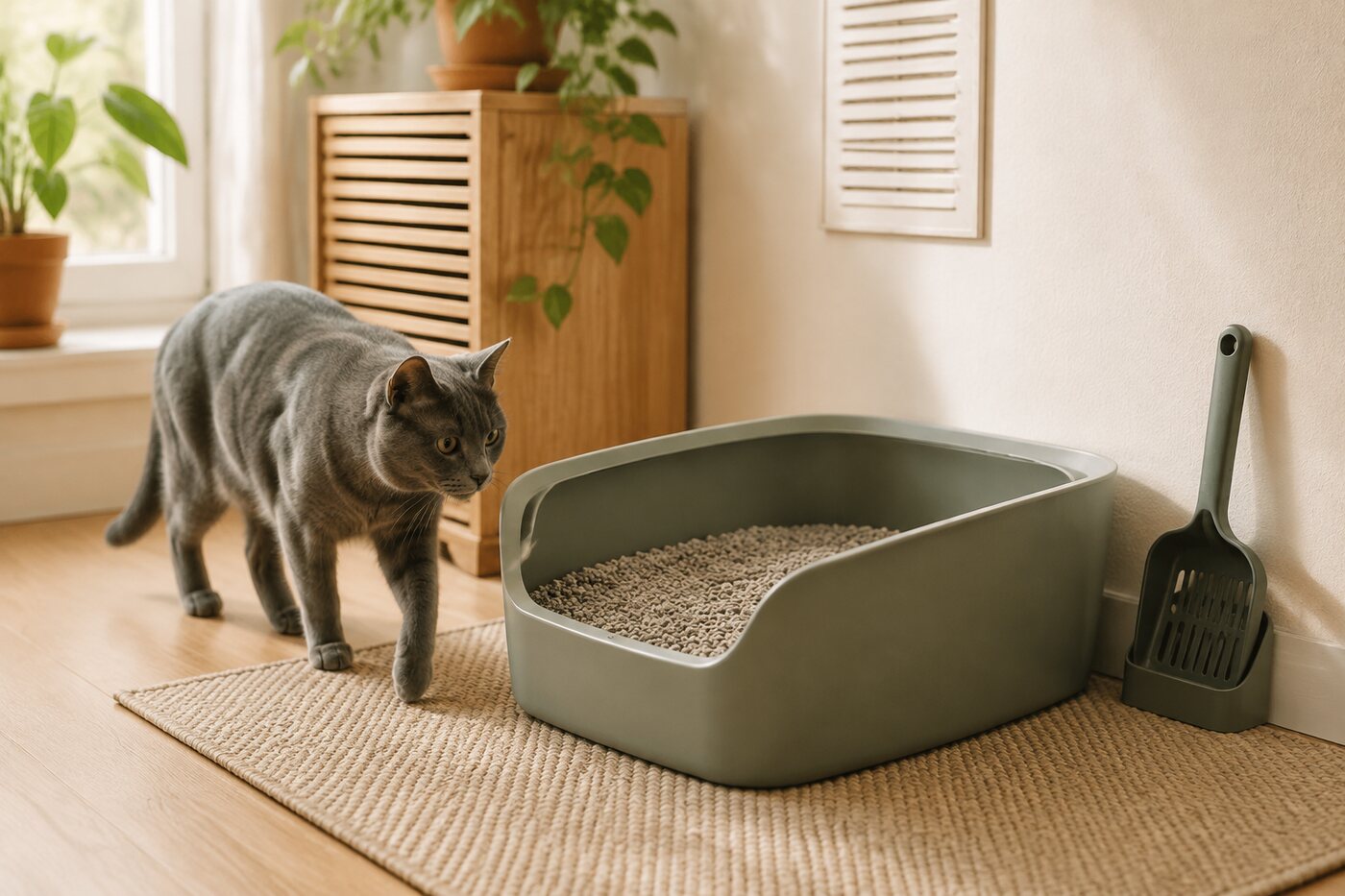
Litter confidence
Clean, quiet and easy to reach
Provide one tray per cat plus one extra, in separate quiet places. Scoop at least daily and avoid sudden litter changes.
Optional Amazon US search · affiliate link
Practical care, feeding, litter guidance, enrichment and thoughtfully chosen essentials—from first kitten days to comfortable senior years.
Cats thrive with predictable resources, choice, quiet rest, appropriate play and careful attention to changes.
Provide one tray per cat plus one extra, in separate quiet places. Scoop at least daily and avoid sudden litter changes.
Optional Amazon US search · affiliate link

Offer more than one sleeping place, including quiet, elevated and enclosed options.
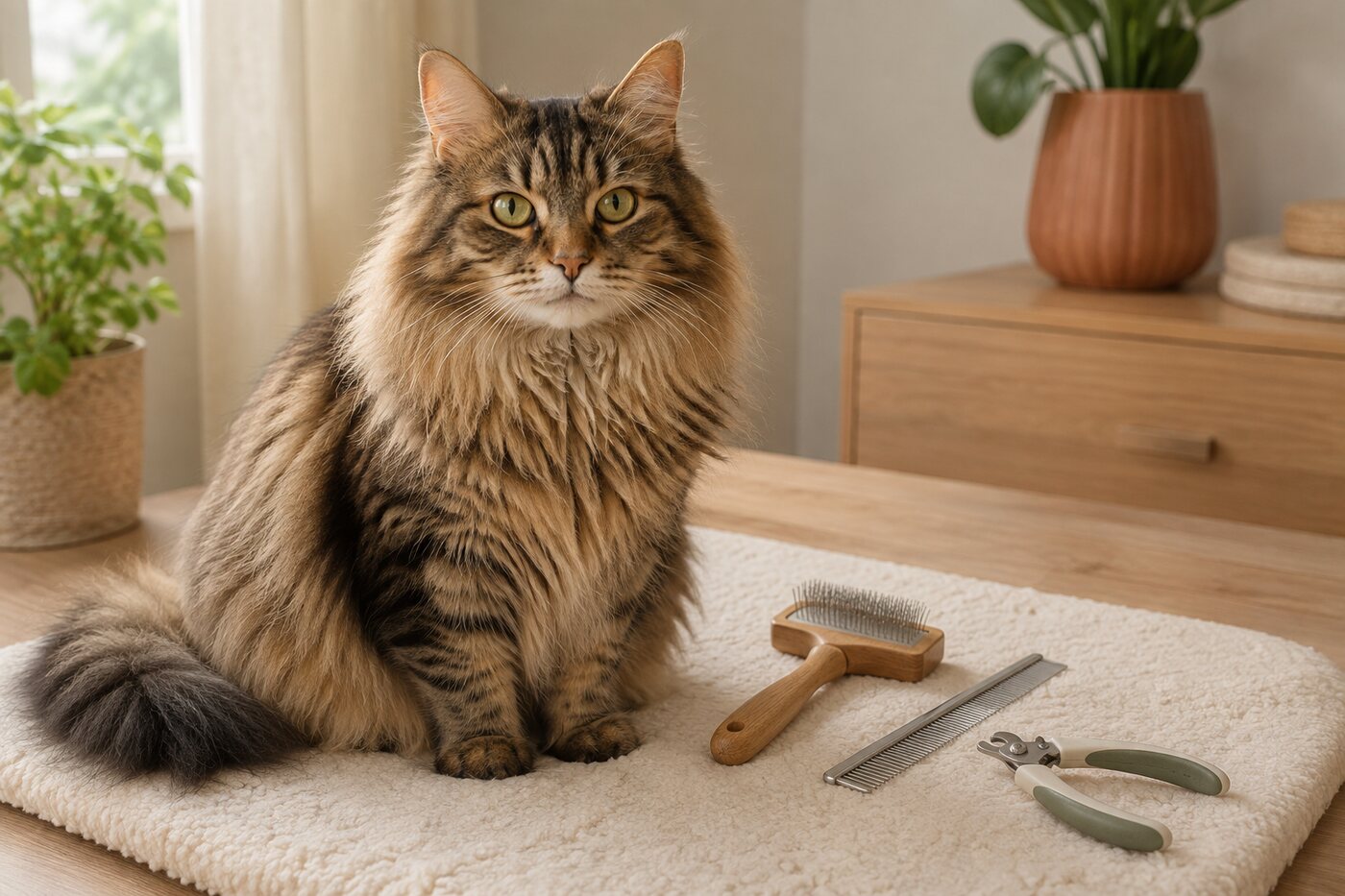
Use coat-appropriate tools and stop before your cat becomes uncomfortable.
Friendly starting points for kittens, adult cats, seniors and multi-cat homes.
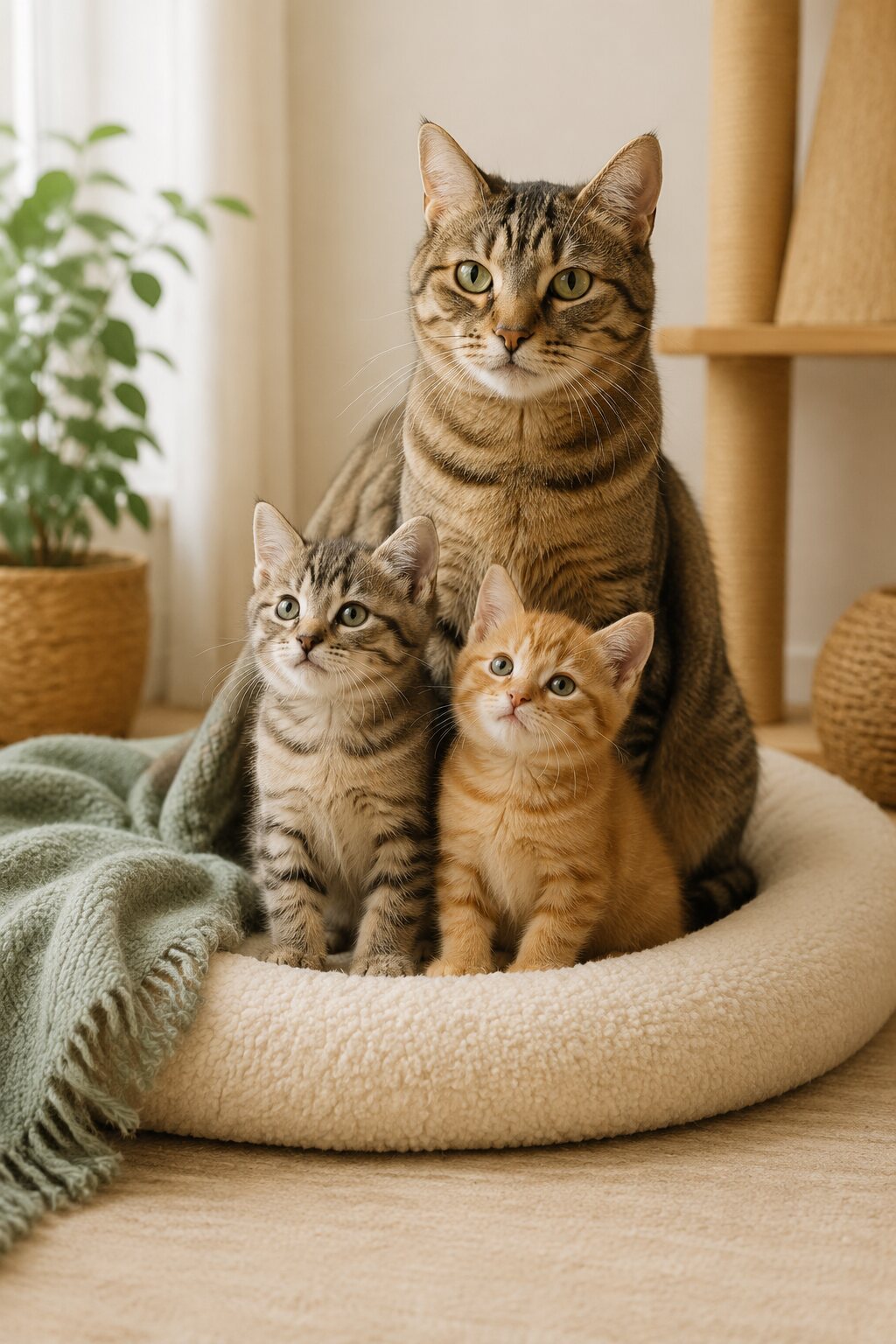
Safe rooms, gradual introductions, play, sleep, litter habits and early veterinary care.
Use complete food for the correct life stage and measure the full daily allowance.
Warmth, easy access, closer resources and attention to subtle changes.
Short sessions, appropriate brushes and safe scratch surfaces.
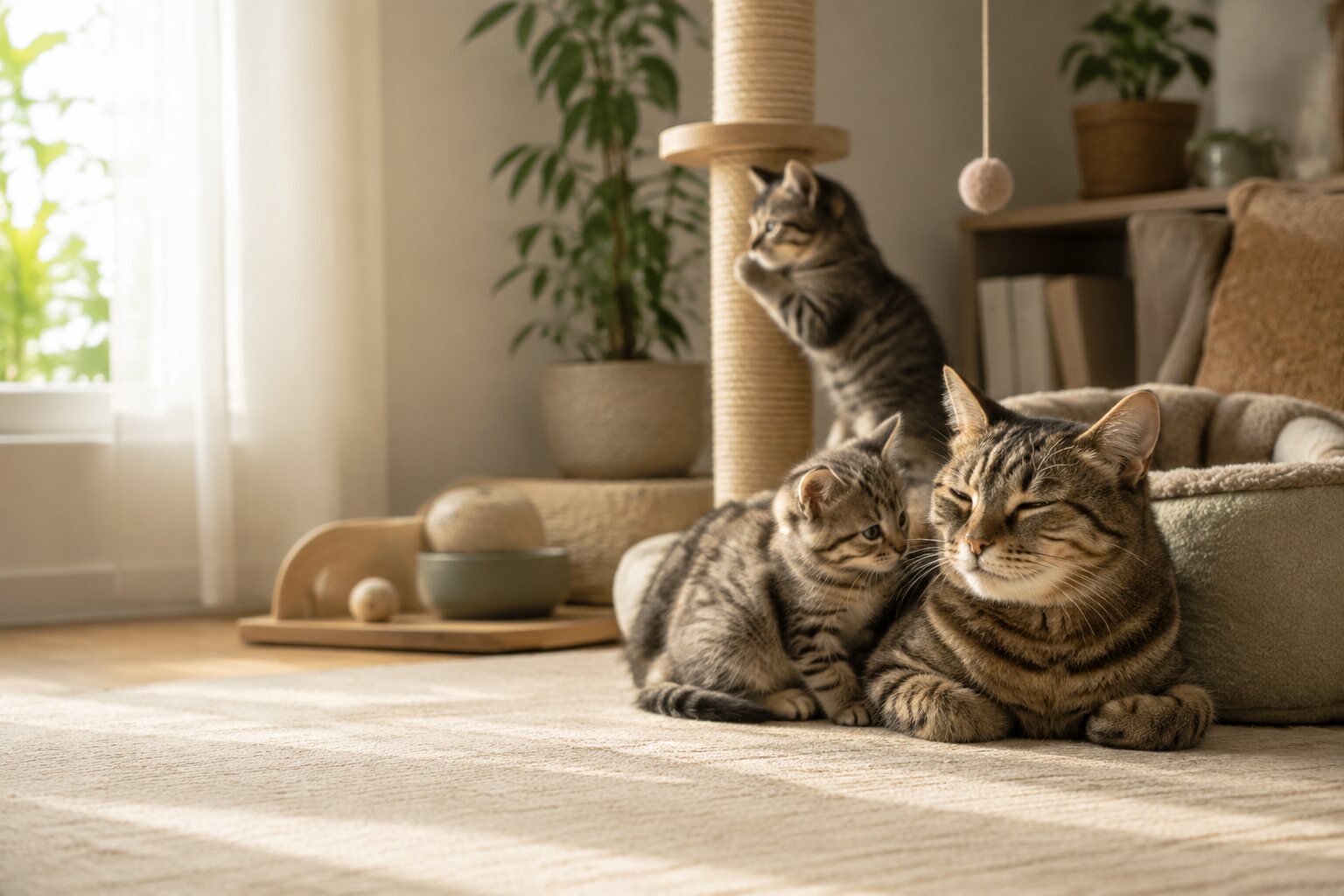
Separate food, water, litter, beds and escape routes reduce social pressure.
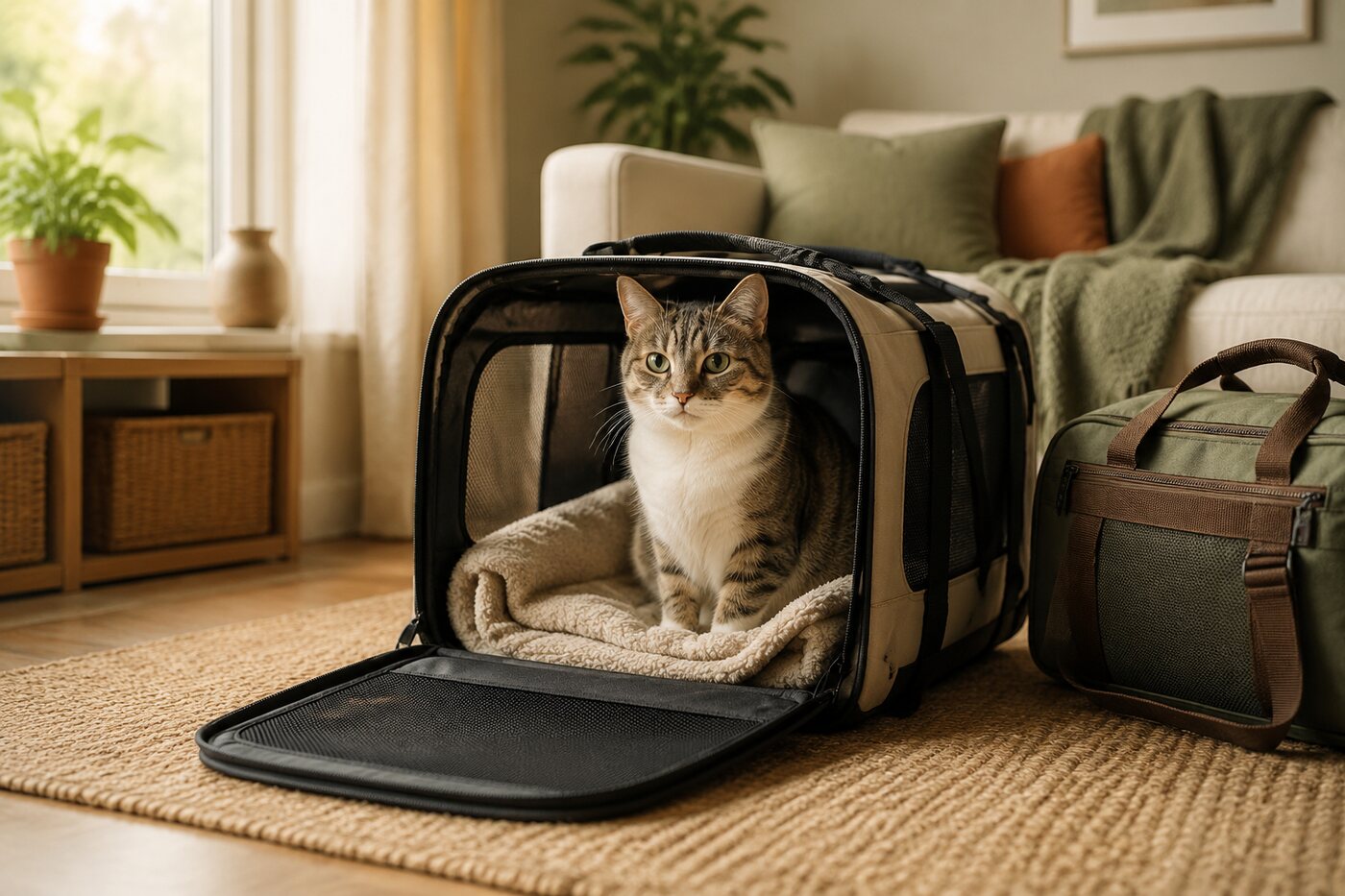
Leave it out at home with bedding and treats before it is urgently needed.
Changes in routine can be the first clue that a cat needs help. Record what you notice and call your veterinarian when something feels wrong.
A cat that stops eating can become seriously ill. Seek prompt veterinary advice, especially with vomiting, lethargy or known illness.
Repeated tray visits, crying, passing little or no urine, or licking the genital area needs urgent veterinary attention.
Use vertical space, scratchers, hiding places, window views and short interactive play sessions.
Bad breath, drooling, pawing at the mouth, dropping food or eating on one side can indicate pain.
New aggression, hiding, restlessness or house-soiling should not be dismissed as spite or stubbornness.
Lilies, many medicines, chemicals, string and some flea products made for dogs can be extremely dangerous to cats.
Ask your veterinarian about locally appropriate flea, tick and worm prevention. Never improvise with dog products.
Feel for body condition and record weight changes. Unplanned loss or gain deserves veterinary discussion.
Begin with separate spaces and scent exchange. Give every cat choice, distance and their own essential resources.
Search practical starting points for health, behaviour, feeding, safety and life-stage care.
Ask your veterinarian for an individual schedule based on age, health, lifestyle and local risks. Keep microchip contact details current.
Read full guideUse only cat-specific products recommended for your cat. Some dog flea treatments are extremely dangerous to cats.
Read full guideRecord frequency, appetite and behaviour. Repeated symptoms, blood, pain, weakness or inability to keep water down need prompt advice.
Read full guideBad breath, drooling, dropping food or chewing on one side can indicate pain. Human toothpaste is not suitable for cats.
Read full guideWatch for bald patches, itching, discharge, swelling, odour or reduced grooming. Avoid putting products into ears or eyes without advice.
Read full guideProvide warm beds, low-entry trays and easier routes. Increased thirst, weight loss, confusion or stiffness deserves assessment.
Read full guideOffer stable vertical and horizontal scratchers beside sleeping areas and problem locations. Reward use; do not punish normal behaviour.
Read full guideUse distance toys rather than hands, add short hunting-style play sessions and stop before over-arousal. Sudden aggression may involve pain.
Read full guideLet hiding cats choose when to emerge. Provide quiet elevated retreats and keep essential resources accessible.
Read full guideUse separate spaces, scent exchange and controlled gradual meetings. Never force animals into close contact.
Read full guideSupport climbing, hiding, scratching, hunting play and food puzzles. Secure windows, balconies and outdoor enclosures.
Read full guideChoose complete food for the correct life stage. Complementary foods and treats should not replace a balanced daily diet.
Read full guideCompare cleaning, noise, capacity, filters and comfortable access before buying.
Read buying guideLook beyond appearance: stability, washing, access and feeding location matter more.
Read buying guideCompare stability, platform size, routes up and down, scratching surfaces and placement.
Read buying guideCheck portions, food compatibility, power backup, cleaning and whether it fits the actual routine.
Read buying guideCommon reasons, what to observe and when appetite loss needs veterinary attention.
Read guide →How to notice a real change, what to record and when to call your veterinarian.
Read guide →A calm checklist covering tray setup, stress, conflict and health red flags.
Read guide →A practical starting rule, placement tips and a simple multi-cat setup plan.
Read guide →Slow introductions, separate resources and signs that tell you to slow down.
Read guide →A safer-home starting point and what to do if you think your cat ate a toxic plant.
Read guide →What to record, low-risk checks and signs that repeated vomiting needs veterinary advice.
Read guide →Normal retreat behaviour, household stress and when a sudden change deserves attention.
Read guide →Common household foods to keep away from cats and what to do after a suspected exposure.
Read guide →Practical routine, play and feeding ideas without punishment.
Read guide →See your cat's AAHA/AAFP life stage and a rough human-age comparison.
Use calculator →Redirect normal scratching without punishment and place scratchers where they are most likely to work.
Read guide →Separate play biting, petting overload and defensive behaviour, with safer ways to respond.
Read guide →Look for changes, triggers, routines and signs that increased vocalising needs a veterinary check.
Read guide →When shadowing you is simply social behaviour and how to encourage comfortable independence.
Read guide →A simple explanation of this common comfort behaviour and how to protect your lap from the claws.
Read guide →Channel sudden high-energy bursts into safer play and know when a new pattern deserves attention.
Read guide →A calm, printable step-by-step checklist for searching, neighbours, microchip records, vets and local alerts.
Use checklist →Save symptoms, appetite, toileting, medicines and questions locally before an appointment.
Prepare visit →Carrier, vehicle, ID, supplies and destination setup in one printable checklist.
Use checklist →No exact match. Try a shorter word such as “food”, “senior” or “scratch”.
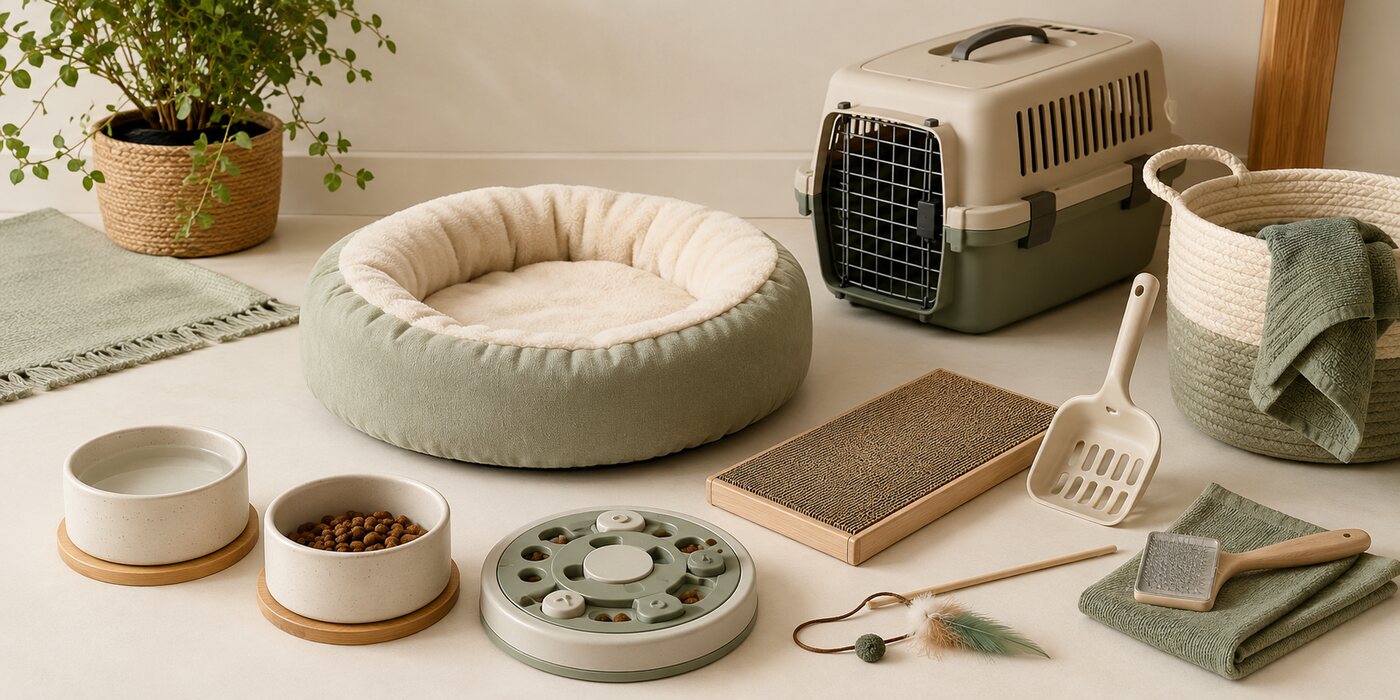
Simple buying checks first, followed by an optional Amazon US search. No product is suitable for every cat.
As an Amazon Associate I earn from qualifying purchases. Always verify ingredients, dimensions, materials and suitability with the seller and your veterinarian where appropriate.
Practical Amazon US searches for cat essentials. Always check size, materials, safety, ingredients and suitability for your individual cat.
Explore cat essentialsAs an Amazon Associate I earn from qualifying purchases. Prices and availability are controlled by Amazon and can change.
Information saves only on this device. These tools organise routines; they do not diagnose illness or prescribe food amounts.
Save dated weight entries privately on this device.
Open tool →KITTENTick off essentials before a kitten comes home.
Open tool →SENIORKeep simple notes about changes you want to remember.
Open tool →Mix coat, personality and name style for eight relevant ideas.
Open a local map search. Call ahead when care may be urgent.
Split your veterinarian- or label-guided daily amount into consistent meal times.
A common starting point is one tray per cat plus one extra, placed separately.
Prepare the first days at home and save progress locally.
Record weights to notice trends. A log does not interpret whether a weight is healthy.
Save a short dated note about food, water, litter, movement or behaviour.
Organise the key facts before an appointment. This does not assess urgency.
Private, on-device helpers for stressful moments, appointments and journeys.
Simple printable text sheets generated directly in your browser—no account and no information sent anywhere.
Feeding, litter, routines, contacts and safe hiding places.
Symptoms, timing, appetite, toileting, medicines and questions.
Veterinarian, emergency clinic, poison service and transport details.
Immediate search steps, neighbours, microchip and local alerts.
Weight, appetite, thirst, grooming, mobility and toileting.
Tracking sheet only—medicine, dose, time and prescribing clinic.
Food, litter, carrier, microchip, veterinary care and safe setup.
Food, water, litter, play, behaviour and anything unusual.
Cats often hide illness. Sudden breathing, appetite, toileting, movement or behaviour changes deserve attention.